
John the Baptist has been a sadly under-rated saint in recent times. He was in his father’s words as recorded in Luke’s Gospel: “a prophet of God the most high,” he “went ahead of the Lord, to prepare his ways before him.” He was the fulfilment of part of the prophecy of Isaiah – the voice which cries in the wilderness, “prepare a way for the Lord, make his paths straight.”
An ancient hymn of John the Baptist called Ut Queant Laxis contains a wonderful musical nod to his role as the fore-runner of Christ. Each successive phrase in that hymn begins a note higher than the last, escalating higher and higher, just as the scriptures see John the Baptist being the sign to something higher than himself – the Lord who was to come.
For the musicians among us, that same hymn is the origin of the solfege scale made famous by the Sound of Music – do, re, mi, fa, sol, la, ti, do. Perhaps take a moment to remember St John the Baptist over Christmas if you find yourself one afternoon watching the inevitable showing of Julie Andrews and the Von Trapp children prancing around an Alpine meadow.
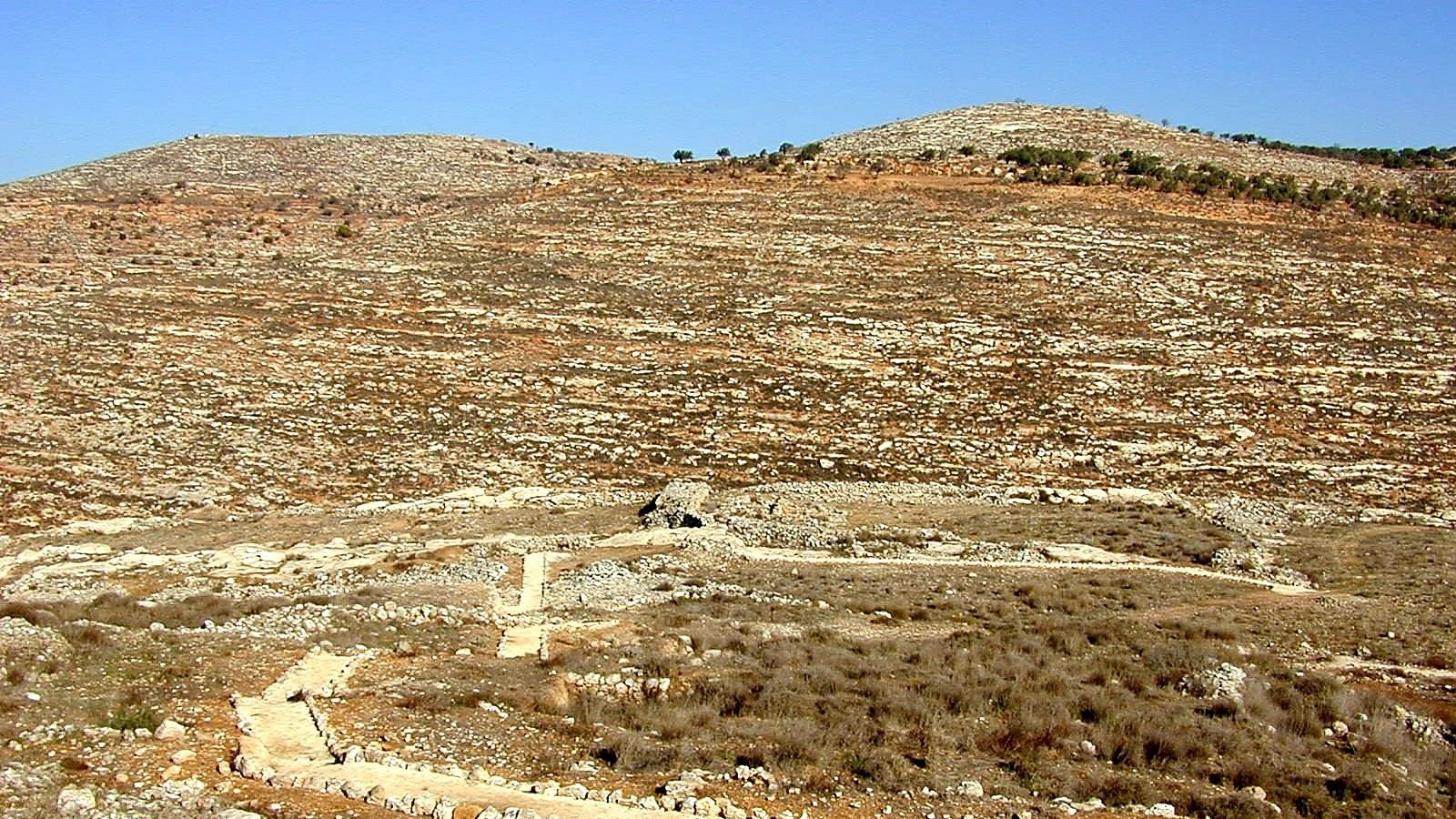
We should see John the Baptist as a great prophet and saint of the Church. And in him we should see an example to us in our day. When you think of when you imagine the wilderness in which John lived? What do you picture? What comes into your mind’s eye? Perhaps a desert or a vast empty plain. More important than the image – is anything happening there? Probably not. Perhaps at most a whisp of sand blowing in a breeze or a camel baying in the distance?
But in truth the wilderness of the holy land is not a calm and peaceful place. It gets extreme heat in the day and cold in the night. Strong winds drive sandstorms that will scour the skin. There is a real danger of starvation or thirst. There are animals that will kill you; some obviously, like wolves, others subtly, like snakes and scorpions. Yet despite all this John managed to live a good and upright life.
Our secular world is very much a spiritual wilderness, and like the literal wilderness of John the Baptist there are many threats to our living good and upright lives:
Individualism – seeing ourselves above all else.
Materialism – seeing possessions as the most important thing in life.
Consumerism – finding happiness almost exclusively in the purchase of goods.
We can all see some of these things in ourselves at times, I’m sure; and it is very easy to get caught up in them as we get ready for the Christmas festivities. Of course, it is right to celebrate the Incarnation and keep the great feast of Christmas as a joyful occasion. But in the next few weeks as you prepare for those celebrations, also remember to follow the example of St John:
Do not be afraid to be a voice that cries into the spiritual wilderness of our world. Do not be afraid to tell people of Christ, of the real meaning of Christmas, of his death and resurrection, of the redemption of the world. If we all do this, proudly and fiercely, then truly, in the words of Isaiah, “all mankind shall see the salvation of God.”
 Lk 22:27